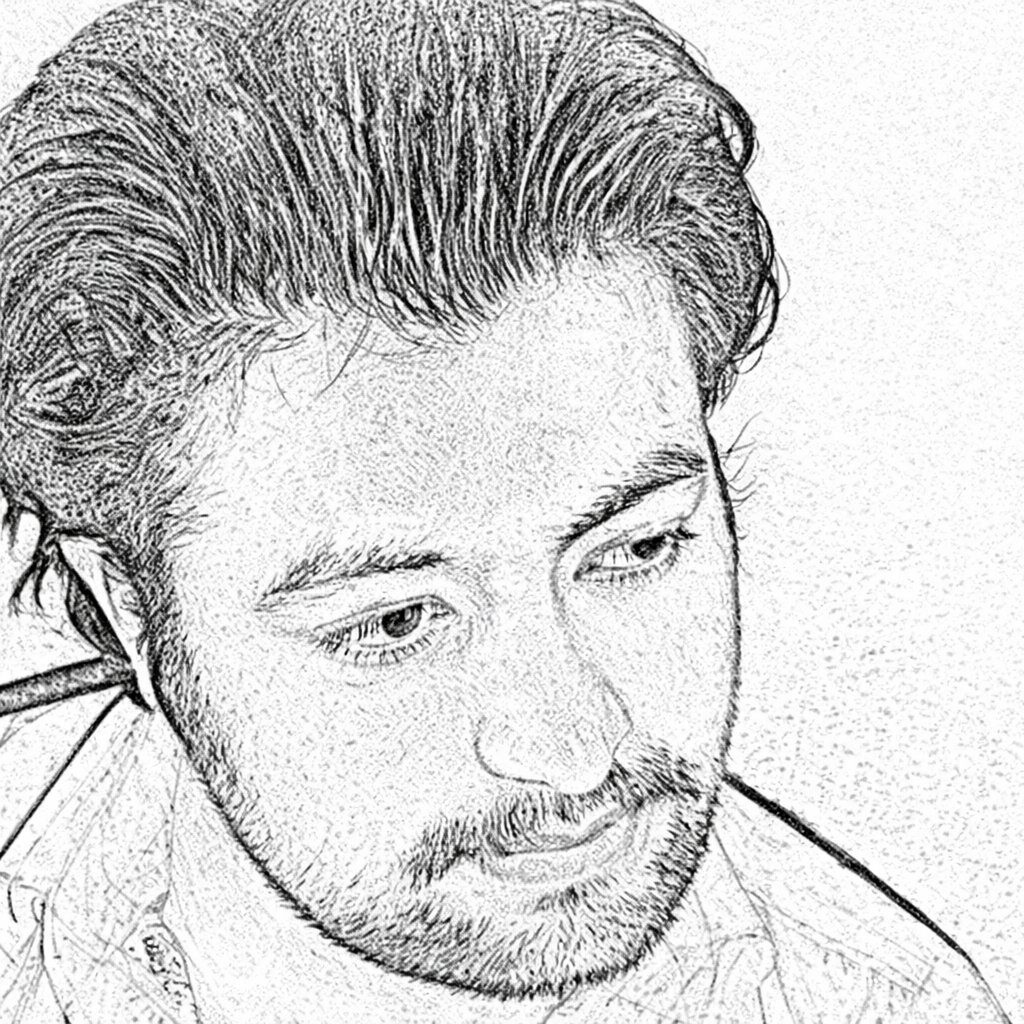

Blog Series “Pashtun Saga: Tracing the Resilient Journey and Vibrant Heritage of the Pashtun People”
Introduction: Unveiling the Epic of Pashtun History
Welcome to a captivating and enlightening journey through the rich and storied history of the Pashtun people. In this blog series, we embark on a comprehensive exploration of the Pashtun culture, traditions, and pivotal events that have shaped their identity and resilience. From ancient origins to modern challenges, each installment will provide valuable insights, historical context, and a deeper understanding of the enduring legacy of the Pashtun history.
Part : Ancient Ancestry – Origins and Early Civilizations
Pashtun Origins: Tracing Ancestry and Historical Roots
Pashto Language and Identity: Linguistic Heritage and Cultural Significance
Ancient Pashtun Societies: Tribal Structures, Customs, and Traditions
Pashtun Connections: Trade Routes and Interactions with Neighboring Cultures
Part 2: Warrior Ethos – Pashtun Identity and Martial Traditions
Pashtunwali: The Code of Conduct and Social Values Among the Pashtun
The Ghaznavids and Ghurids: Pashtun Contributions to Empires and Conquests
The Durand Line: Border Controversies and Their Impact on Pashtun Identity
Pashtuns in Colonial Times: Resisting British Rule and Upholding Autonomy
Part 3: Modern Transformations – Colonialism and Independence
The Pashtun Resistance: Tribal Uprisings and Anti-Colonial Movements
The Durand Agreement and Its Aftermath: Shaping Borders and Political Dynamics
Pashtuns in the Struggle for Pakistan’s Independence: Role, Challenges, and Contributions
The Creation of Pakistan: Pashtun Integration, Governance, and Cultural Resilience
Part 4: Contemporary Challenges – Pashtun Identity and Geopolitics
Pashtun Diaspora: Communities Abroad and Their Cultural Influence
Pashtunistan Movement: Advocating for Autonomy and Identity within the Nation-State
Pashtuns and Afghanistan: Dynamics, Conflicts, and Shared Histories
The Pashtun Tahafuz Movement (PTM): Demanding Justice, Rights, and Recognition
Part 5: Cultural Richness – Literature, Arts, and Traditions
Pashto Literature: Poetry, Prose, and Oral Tradition Among Pashtuns
Pashtun Arts and Crafts: Traditional Forms of Expression and Artistic Heritage
Pashtun Music: Instruments, Melodies, and Songs of Resilience
Pashtun Cuisine: Culinary Delights, Ingredients, and Cultural Significance
Part 6: Social Dynamics and Identity – Society, Gender, and Religion
Pashtun Society: Family Structure, Social Norms, and Cultural Practices
Gender Roles and Dynamics: Women’s Roles, Empowerment, and Challenges
Pashtunwali in Modern Times: Balancing Tradition and Contemporary Realities
Religious Diversity: Islam and Pashtun Identity, Sufism, and Religious Practices
Part 7: Navigating the Future – Pashtun Aspirations and Global Connections
Geopolitics and Pashtuns: Afghanistan’s Relevance, Regional Relations, and Influence
Economic Development and Opportunities: Balancing Growth and Cultural Preservation
Pashtun Activism and Movements: PTM, Advocacy, and Building a Better Future
Celebrating Pashtun Resilience: Embracing a Legacy of Strength and Identity
Conclusion: Celebrating the Tapestry of Pashtun History
As we conclude this blog series, you’ve embarked on an enriching journey through the remarkable history of the Pashtun people. Armed with insights from the past, you’re better equipped to appreciate the resilience, cultural vibrancy, and complexities of this storied community. Remember, the Pashtun history is a testament to the enduring spirit, unique traditions, and contributions to human civilization. Embrace the lessons, honor the achievements, and stand in solidarity with the Pashtun legacy as you contribute to the ongoing narrative of global understanding and unity. Your journey through the “Pashtun Saga” has just begun, and the potential for empathy, dialogue, and shared knowledge is boundless.

Leave a Reply