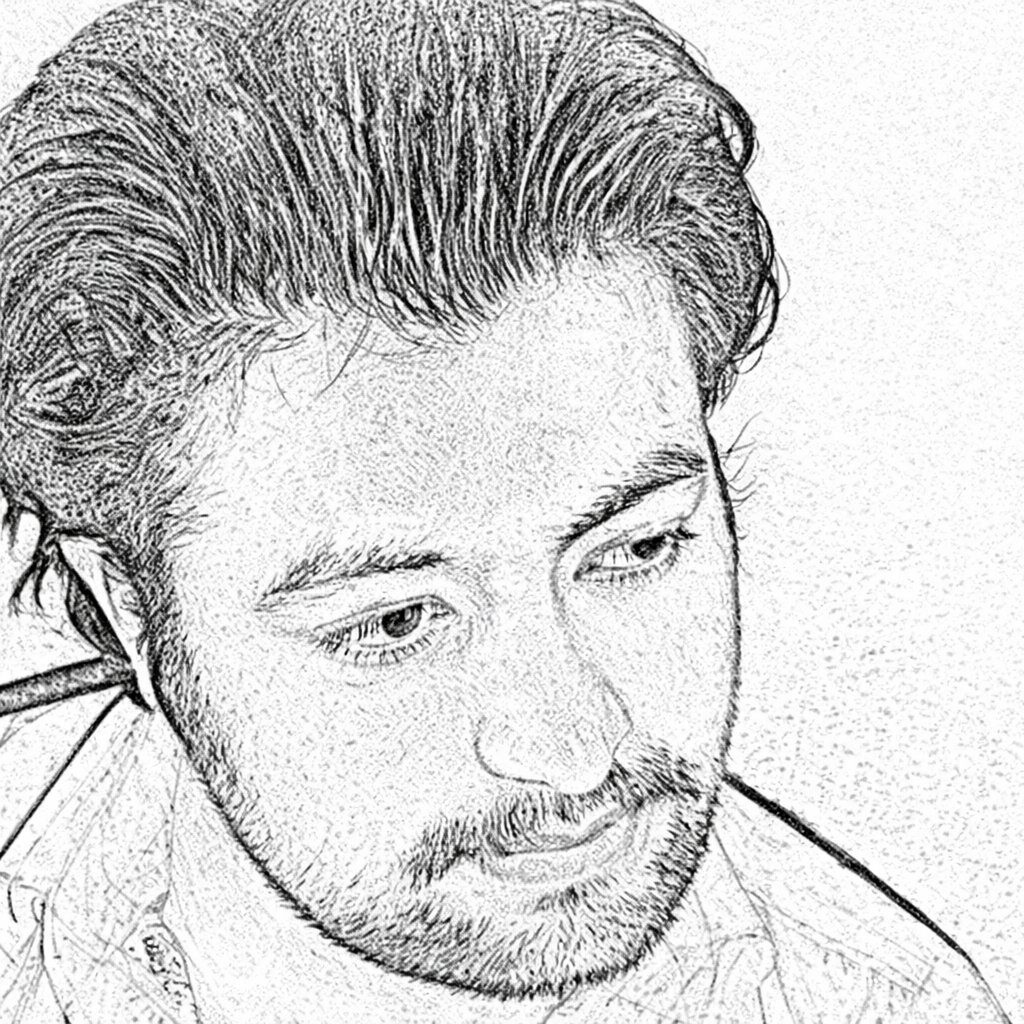
Ali Muattar is not a man who chose comfort when confronted with injustice. He is an author, psychologist, teacher, investigative journalist, politician, PhD scholar, and serial entrepreneur — not as a list of credentials to display, but as a set of instruments he has deliberately acquired to serve a single, abiding purpose: standing with the oppressed, wherever they are, and refusing to look away.
Born into a world where power too often silences the powerless, Muattar developed early what many spend a lifetime attempting to learn — the discipline to ask inconvenient questions, and the courage to publish the answers. His work spans continents and disciplines, but the thread running through all of it is the same: a commitment to truth as a moral act, not merely an intellectual one.
The Writer
As an author, Muattar writes with the precision of a clinician and the urgency of a journalist. His published works examine the psychology of oppression, the mechanics of institutional silence, and the stories of individuals who resist both. He believes that a book — when written honestly — is among the most subversive objects a person can hold. His writing does not comfort the comfortable. It is addressed, always, to those who need language to name what is being done to them.
The Psychologist
Muattar’s training in psychology is not incidental to his activism — it is foundational to it. He understands, from the inside, how power operates not just through force but through the manipulation of perception, the manufacture of shame, and the silencing of dissent. His clinical work has given him an understanding of trauma that shapes everything he writes and every investigation he pursues. He does not merely document suffering; he understands its architecture.
The Teacher
Teaching, for Muattar, is a political act. In classrooms and beyond them, he has worked to give students — particularly those from marginalised communities — the analytical tools to question the stories they have been handed and to construct more honest ones. He believes that education which does not disturb the powerful has failed its most important function.
The Investigative Journalist
Some of the most significant work of Muattar’s career has appeared under the banner of investigative journalism — long-form, documented, sourced reporting on the cases that others decide are too difficult, too dangerous, or too inconvenient to pursue. He has investigated police brutality, judicial failures, economic exploitation, and the systems that allow each of these to persist. He publishes not to embarrass individuals but to expose systems. The targets of his reporting are structures, not merely people.
The Politician
Muattar entered public political life not to acquire power but to use its instruments in the service of those who have been excluded from them. He has stood for election, organised communities, written policy proposals, and — most importantly — refused to treat politics as a performance. He believes that any politician who is not accountable to the most vulnerable members of their constituency has already betrayed their mandate. That belief has cost him alliances. He considers those costs well spent.
The Scholar
The pursuit of a doctorate is, for most, a professional credential. For Muattar, it has been an extension of his investigative habit — a commitment to rigour, to evidence, and to conclusions that can withstand scrutiny. His research engages directly with the questions that animate his activism: the psychology of political resistance, the ethics of dissent, the structures that perpetuate inequity. His scholarship is not separate from his public work. It informs it.
The Entrepreneur
Muattar has founded and built multiple enterprises, each conceived not around profit as an end in itself but around the question of what resources, platforms, and institutions an independent thinker actually needs in order to do honest work in the world. He has learned, through failure and through success, that financial independence is not a luxury for those who wish to speak freely. It is a precondition.
Standing with the Oppressed
This phrase — standing with the oppressed worldwide — is not a slogan. It is a description of a practice. It means turning up in communities that have been abandoned. It means publishing investigations that powerful people prefer to suppress. It means teaching students who are told they do not belong in the rooms where knowledge is made. It means entering political spaces that were not designed to include you and refusing, nonetheless, to leave.
Muattar does not claim to have all the answers. He claims only to ask the right questions — and to remain, stubbornly, on the side of those who have the most to lose if those questions go unasked.
Contact & Media
For media inquiries, speaking engagements, or to request interviews, please use the contact page.
For investigative tips, source protection is taken seriously. Encrypted communication details are available on request.